


Every great soccer performance begins long before the first whistle. It’s the result of hard work, relentless dedication, and, most importantly, the right gear. For professional soccer clubs, quality equipment is not just a luxury; it’s a necessity. Moreover, the right equipment for soccer clubs enhances performance and ensures player safety, empowering athletes to push their limits on the field. From reliable cleats to sturdy shin guards, each piece of gear plays a vital role in the game.
So, to help your team reach its full potential, equipping them with the best gear is essential. In this article, we’ll explore the ten crucial pieces of equipment for soccer clubs that every professional team should consider!
10 Important Equipments for Professional Soccer Clubs
1. Soccer Balls
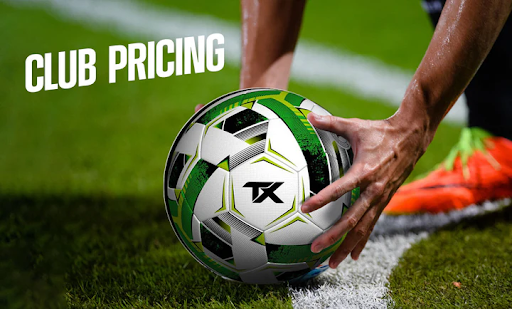
Soccer balls are the core of the game. Clubs should invest in high-quality balls that meet official standards for professional matches. Size matters too: for adults, a size 5 ball is typically used. For youth or practice, size 4 or 3 balls are often recommended.
Football Size Guide:
- Size 3: For ages 8 and under
- Size 4: For ages 8 to 12
- Size 5: For ages 13 and older (official size for professional play)
2. Soccer Cleats for Clubs
Cleats provide traction and stability, helping players move swiftly on the field. When picking soccer cleats, consider the surface they’ll be used on artificial turf, firm ground, or soft ground.
Picking the Right Soccer Cleats:
- Playing surface: Choose based on the field (firm ground, soft ground, or turf).
- Fit: Cleats should fit snugly without being too tight.
- Material: Leather for better touch and durability, synthetic for affordability, and lighter weight.
3. Shin Guards
Shin guards are essential for player safety, protecting the legs from tackles and kicks. Besides, clubs must ensure each player has shin guards that fit properly for maximum protection.
Shin Guard Size:
- Small: Below 5’4” height
- Medium: 5’4” to 5’8” height
- Large: 5’8” and taller
4. Soccer Uniforms and Accessories
Uniforms not only represent a club’s identity but also enhance performance. Breathable, moisture-wicking fabrics keep players cool during intense matches. Furthermore, accessories such as wristbands and headbands can provide comfort and style.
5. Football Kits for Clubs
Complete football kits include training jerseys, rain jackets, and warm-up gear. A full kit allows players to train in any weather, ensuring they’re always prepared. Football kits for clubs often come with extra socks, shorts, and jackets.
6. Team Soccer Bags
Keeping gear organized is a must for professional clubs. Team soccer bags make it easy to transport balls, cleats, uniforms, and even water bottles to practice and matches. Furthermore, look for bags with plenty of compartments and durable materials to protect gear.
7. Goalkeeper Gloves
Goalkeepers need special gloves for better grip and protection. These gloves come in different cuts and styles, offering flexibility or a tighter fit depending on preference. Moreover, invest in gloves that protect the fingers and wrists to prevent injury.
8. Training Markers
No training session is complete without cones and markers. These are used for agility drills, ball control exercises, and even setting up mini-games during practice. Besides, they help players improve their speed, precision, and movement on the field.
9. Soccer Cleat Cleaner
While it may seem minor, keeping cleats clean is essential. Mud and dirt can reduce traction, so a soccer cleat cleaner helps extend the lifespan of cleats while ensuring players get maximum grip on the field.
10. Water Bottles and Hydration Equipment
Staying hydrated is crucial for peak performance. Personalized water bottles or large hydration stations ensure players stay refreshed during games and practice. Hydration helps maintain energy levels and prevents fatigue.
Extra Training Gear
Professional clubs often use specialized training tools to take their performance to the next level. Here are a few extras that can make a difference:
1. Speed Ladders
Speed ladders improve agility and footwork, making them a great addition to training sessions. Moreover, these simple tools help players develop quick reflexes and coordination, vital for fast-paced soccer play.
2. Cones for Drills
Training cones are perfect for practicing dribbling and direction changes. Furthermore, set up obstacle courses with cones to challenge players’ ball-handling and control skills.
3. Rebound Nets
In addition to cones for drills, rebound nets are great for solo training, helping players improve their first touch and reaction time by bouncing the ball back to them.
Maintaining Soccer Equipment
Proper maintenance is key to making sure equipment lasts through the season.
1. Cleat Care
Clean cleats after every game to remove mud and grass. This helps prevent wear and tear, ensuring they maintain their grip and fit. Additionally, store cleats in a cool, dry place to avoid damage from extreme temperatures.
2. Proper Ball Inflation
Keeping soccer balls at the correct pressure is important for consistency during play. Over- or under-inflated balls can warp and affect movement on the field. Moreover, use a pump with a pressure gauge to ensure proper inflation (usually 9 to 10.5 pounds of air).
3. Storing Gear
Store equipment like balls, cleats, and shin guards in a dry, cool place. Avoid leaving them in direct sunlight or extreme heat, as this can cause damage.
Conclusion
Equipping your team with the right gear is crucial to ensuring safety, performance, and success on the field. From cleats to shin guards, every piece of equipment plays an important role in the game. Make sure your soccer club is prepared with these 10 essential items.