


Athletes and fitness enthusiasts are constantly searching for ways to recover faster, reduce soreness, and prevent injuries. Among the many recovery techniques available today, cryotherapy has emerged as one of the most talked-about methods in sports recovery and wellness.
Cryotherapy, which literally means “cold therapy,” involves exposing the body to extremely cold temperatures for short periods of time. Originally developed for medical purposes, it has gained popularity in gyms, recovery clinics, and wellness centers around the world. For example, cryotherapy treatment in Adelaide has gained significant popularity in recent years. Many professional athletes now incorporate cryotherapy into their routines to support muscle recovery and reduce the risk of injury.
Understanding Muscle Fatigue and Injury Risk
Exercise places stress on muscles, joints, and connective tissues. While this stress is necessary for strength and endurance improvements, it also creates microscopic damage to muscle fibers. This damage leads to inflammation, soreness, and temporary reductions in performance.
When muscles remain inflamed or fatigued for too long, the risk of injury increases. Tight or overworked muscles can place additional strain on joints and tendons, potentially leading to strains, sprains, or overuse injuries.
Effective recovery strategies help control inflammation, promote healing, and restore normal muscle function. Cold therapy is one of the most effective tools for managing this process.
How Cryotherapy Works
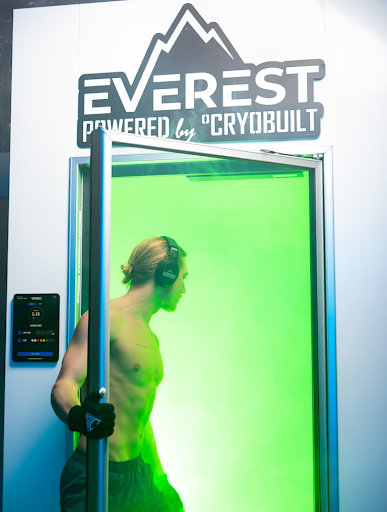
Whole-body cryotherapy typically involves stepping into a specialised chamber where temperatures can drop as low as −110°C to −140°C for two to three minutes. Despite these extreme temperatures, the exposure is brief and carefully controlled.
When the body encounters intense cold, several physiological responses occur almost immediately.
Reduced Inflammation
Cold temperatures cause blood vessels to constrict, a process known as vasoconstriction. This response temporarily reduces blood flow to muscles and tissues, helping limit inflammation and swelling after intense exercise.
Once the session ends and the body begins warming up again, blood vessels dilate and circulation increases. This rebound effect may help flush metabolic waste products from muscles and deliver oxygen and nutrients needed for recovery.
Decreased Muscle Soreness
Cryotherapy may reduce the sensation of muscle soreness by slowing nerve signals associated with pain. This numbing effect can make recovery periods more comfortable, allowing athletes to maintain training intensity without excessive discomfort.
For individuals who train frequently, reducing soreness can make a significant difference in maintaining consistent performance.
Faster Recovery Between Workouts
Athletes often need to recover quickly between training sessions or competitions. Cryotherapy sessions can help reduce fatigue and muscle stiffness, potentially shortening the time required to feel ready for the next workout.
While recovery needs vary between individuals, many people report feeling refreshed and energised after cryotherapy.
Supporting Injury Prevention
Preventing injuries is just as important as recovering from workouts. Cryotherapy may help reduce injury risk in several ways.
First, by reducing inflammation and muscle fatigue, it helps restore normal muscle function more quickly. Muscles that are less fatigued are better able to stabilise joints and support proper movement patterns.
Second, cryotherapy may reduce muscle tightness, which is a common factor in strains and overuse injuries. When muscles remain flexible and relaxed, they are less likely to become overstressed during physical activity.
Finally, regular recovery routines encourage athletes to pay closer attention to their bodies, identifying small issues before they develop into more serious injuries.
Cryotherapy vs Traditional Ice Baths
Cold therapy has long been used in sports medicine, often in the form of ice baths or cold compresses. Cryotherapy chambers offer a modern alternative with a few key differences.
Ice baths usually involve sitting in cold water for 10 to 15 minutes, which can be uncomfortable and time-consuming. Cryotherapy sessions, by contrast, last only a few minutes.
Because the exposure time is shorter, many people find cryotherapy easier to incorporate into their schedules. The dry cold environment can also feel more tolerable than prolonged immersion in icy water.
Both methods can support recovery, and the choice often depends on personal preference and access to equipment.
Who Can Benefit from Cryotherapy?
Cryotherapy is commonly used by:
- Professional and amateur athletes
- People who engage in high-intensity workouts
- Individuals recovering from demanding physical training
- Anyone looking to reduce muscle soreness and fatigue
Even people who are new to exercise may benefit from occasional sessions when starting a new fitness routine.
What to Expect During a Cryotherapy Session
A typical cryotherapy session is quick and straightforward.
Participants usually wear protective gloves, socks, and minimal clothing to protect sensitive areas. Once inside the chamber, cold vapor surrounds the body for two to three minutes while a technician monitors the session.
Most people describe the sensation as an intense but manageable cold. After the session, the body warms up quickly, often producing a feeling of increased energy and alertness.
Safety Considerations
Although cryotherapy is generally considered safe when performed in a controlled environment, it should always be supervised by trained professionals.
Important safety guidelines include:
- Limiting sessions to recommended durations
- Wearing proper protective clothing
- Avoiding sessions with wet skin or sweat
- Following professional instructions
Individuals with certain medical conditions should consult a healthcare professional before using cryotherapy.
Making Cryotherapy Part of a Recovery Routine
Like any recovery method, cryotherapy works best as part of a balanced approach to wellness and training. Proper nutrition, hydration, stretching, and sleep remain essential for muscle repair and injury prevention.
When combined with these habits, cryotherapy can provide an additional layer of support for people who push their bodies through demanding physical activity.
A Modern Tool for Athletic Recovery
As sports science continues to evolve, recovery is receiving as much attention as training itself. Cryotherapy represents one of the many innovative approaches designed to help the body recover faster and stay resilient.
By reducing inflammation, easing muscle soreness, and supporting recovery between workouts, cryotherapy has become a valuable tool for athletes and active individuals alike. Whether used occasionally or as part of a regular routine, it offers a fast and effective way to help the body perform at its best while reducing the risk of injury.