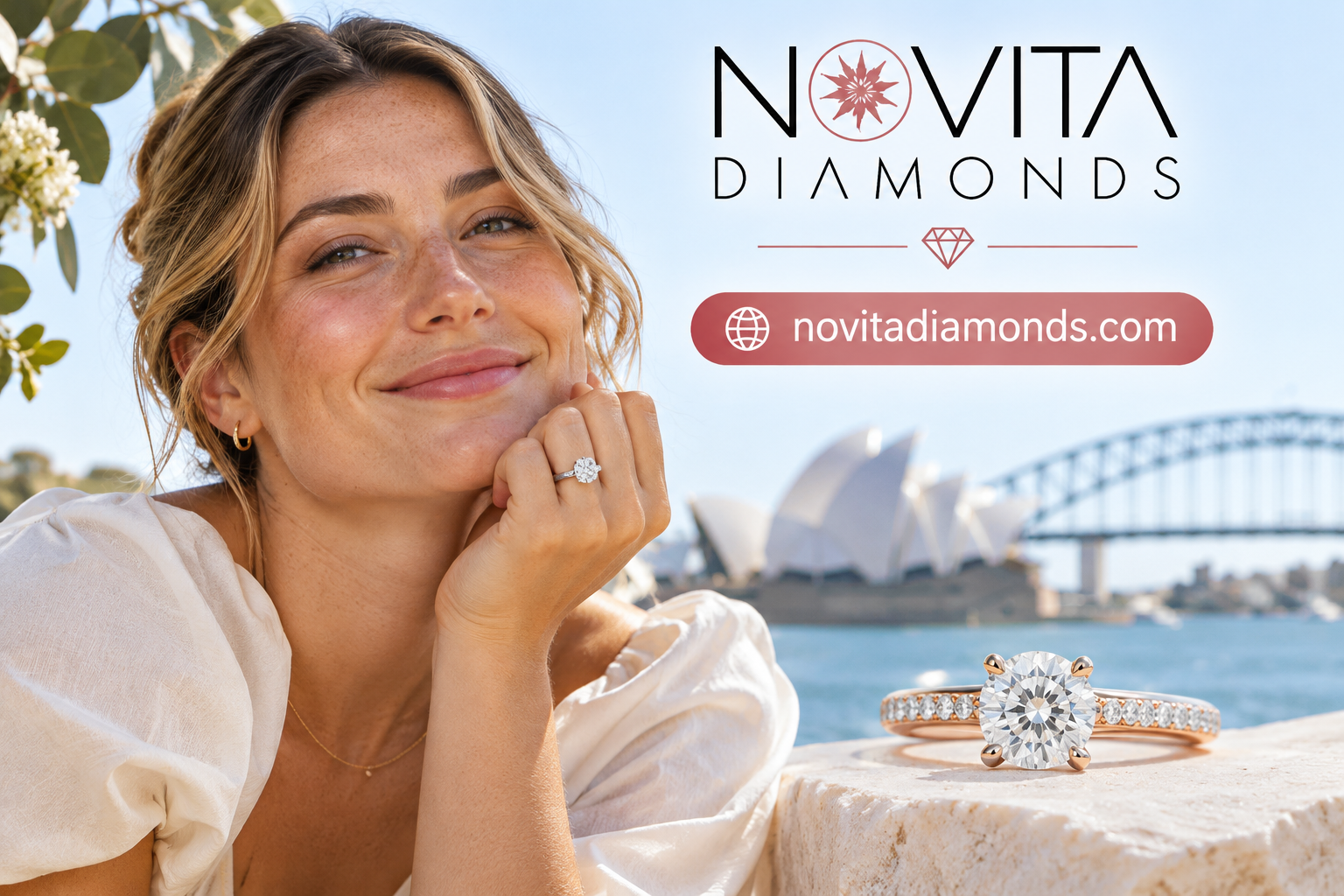
A diamond ring can look beautifully balanced in a photograph yet feel surprisingly tall or bulky once worn. Two stones with the same carat weight may also appear noticeably different in size. These details are easy to miss when shopping online.
For Australians comparing lab grown diamond rings, the centre stone is often the first attraction. Yet the diamond’s proportions, setting height and metalwork have just as much influence on how the finished piece looks and feels. A thoughtful purchase starts with understanding how these elements work together, rather than choosing the largest diamond within a budget.
The Difference Between a Lab-Created Diamond and Its Setting
Laboratory-grown diamonds are real diamonds produced under controlled conditions rather than formed naturally underground. They have essentially the same chemical structure, hardness and optical properties as mined diamonds. Two main production methods are used: High Pressure High Temperature (HPHT) and Chemical Vapour Deposition (CVD). Both produce genuine diamond crystals, although the growth conditions differ.
The origin of the stone does not determine the quality of the finished ring. Cutting, polishing, setting construction and the jeweller’s workmanship all influence the result. This distinction matters because a well-cut smaller diamond in a carefully constructed setting may look more appealing than a larger stone in a poorly proportioned design.
Carat Weight Does Not Tell the Whole Size Story
Carat describes weight, not the diamond’s visible dimensions. Consider two oval diamonds of identical weight. One may have a longer, narrower outline, while the other is shorter and wider. Their appearance on the finger can differ considerably. Depth also matters. A diamond that carries extra weight below its widest point may appear smaller from above than a stone with more balanced proportions.
When comparing stones, pay attention to:
- Face-up dimensions: The diamond’s length and width in millimetres.
- Length-to-width ratio: The relationship between its overall proportions.
- Depth percentage: An indication of how much weight sits within the stone’s vertical profile.
- Finger coverage: How the diamond looks relative to the width of the ring and the wearer’s hand.
A useful comparison involves looking at actual measurements alongside photographs or videos, rather than judging size from carat weight alone.
Cut Quality Changes What the Eye Notices
A diamond’s cut influences its brightness, flashes of colour and pattern of light and shadow. Round brilliant diamonds are designed to produce strong light return through a particular arrangement of facets. Oval, pear, cushion and emerald cuts display light differently. Oval diamonds deserve especially close inspection. Some show a dark bow-tie-shaped area across the centre. A subtle bow tie can be normal, but a pronounced dark patch may distract from the stone’s appearance. Emerald cuts reveal a different set of priorities. Their broad, step-cut facets create long flashes of light and make some inclusions easier to notice.
This means the same clarity grade may have different visual implications across diamond shapes. For shoppers comparing lab grown diamonds through retailers such as Novita Diamonds, individual stone videos, measurements and independent grading information are more useful than a carat figure on its own.
The Setting Should Match the Wearer’s Routine
The setting determines how securely a diamond sits in the ring and how easily the jewellery fits into everyday life. A high-set solitaire can display the centre stone prominently, but its raised profile may catch on clothing or gloves. A lower setting may feel more practical, although it can limit the space available for a straight wedding band to sit beside the engagement ring.
Prongs, Bezels and Pavé Details
Prong settings leave much of the diamond visible. They can create a delicate appearance, but the claws should be checked periodically for wear or movement. Bezel settings surround the stone’s edge with metal, providing additional protection against knocks. Their smoother outline can suit people who frequently use their hands.
Pavé settings introduce smaller diamonds along the band. They add sparkle, although the tiny stones and their securing beads require care. A hidden halo offers another design option, placing small diamonds beneath the centre stone. Its appearance depends heavily on the ring’s profile and construction. The practical question is whether the setting suits the person’s daily activities, rather than which design looks most elaborate.
Metal Colour and Band Proportions Deserve Attention
Platinum, white gold, yellow gold and rose gold create different visual effects around a diamond. White metals produce a relatively neutral setting for colourless stones. Yellow and rose gold introduce warmth and may make slight colour differences less noticeable in some designs.
Maintenance requirements vary, too. White gold may need periodic rhodium replating to maintain its bright white finish. Platinum develops surface wear and a patina over time. Band width deserves equal attention.
A very narrow band can make a large centre stone appear prominent, but it must still contain enough metal to support the setting safely. A wider band may provide a stronger visual balance for an elongated or substantial diamond. Ask about the band thickness and how the design will withstand future resizing.
Check the Diamond Report Before Comparing Prices
Independent grading helps buyers distinguish genuine laboratory-grown diamonds from diamond simulants and understand the characteristics of individual stones.
The International Gemological Institute (IGI) provides laboratory-grown diamond reports that can include carat weight, colour, clarity, measurements and cut-related information. The Gemological Institute of America (GIA) introduced a different assessment approach in October 2025, using Premium and Standard quality classifications for qualifying laboratory-grown diamonds. Consequently, reports from different laboratories may present information differently.
Before ordering, check the report number through the issuing laboratory’s verification service. Confirm that the measurements and identifying details match the diamond being offered. A grading report is not a jewellery valuation, a warranty or a promise about future resale value.
Match the Wedding Band Before Finalising the Ring
An engagement ring is often selected before serious thought is given to the wedding band. This can create avoidable design problems. A low basket setting may prevent a straight wedding band from sitting flush against the engagement ring. A curved or contoured band can solve the problem, but it changes the overall appearance. Side stones, split shanks and unusually shaped centre diamonds may also affect band compatibility.
If both rings will be worn together, ask the jeweller to show their combined profile. Check whether the bands rub against exposed prongs or delicate pavé details. For custom designs, reviewing a side-view drawing can be just as useful as seeing a front-facing rendering.
Ordering a Ring in Australia: Details Worth Confirming
Australian buyers should settle several practical questions before approving a made-to-order piece. Confirm the finger size using the jeweller’s measurement system, especially if an international supplier uses different sizing conventions. Ask whether resizing is possible without disturbing side stones or decorative details.
For online orders, establish the production timeframe, delivery arrangements and what happens if the finished ring requires an adjustment. Also clarify the distinction between change-of-mind returns, custom-order policies and statutory consumer rights. The Australian Consumer Law provides consumer guarantees that cannot simply be excluded by a retailer’s store policy.
Before paying, request written confirmation of the selected diamond’s report number, metal specifications, ring dimensions and approved design. These details provide a clear reference if the delivered piece differs from the original order. They also make future maintenance, resizing and insurance discussions easier to manage.