- Home/
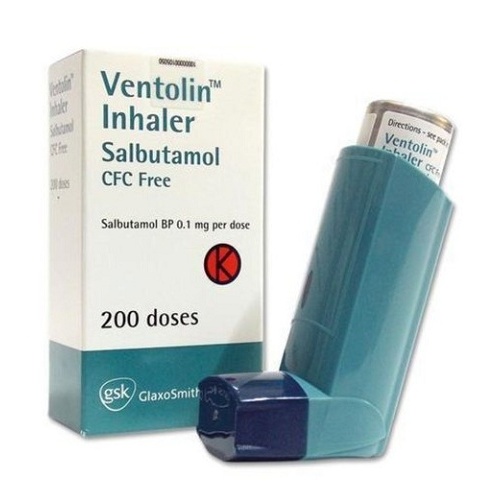
- Buy Ventolin Inhaler Online in Australia – Fast Delivery Available
This article is for informational purposes only. Medication use is only possible after consultation with a doctor. Self-medication is dangerous and may be life-threatening.
Ventolin Inhaler in Australia: Complete Guide to Safe Use, Access, and Clinical Realities (2026)
Quick Summary: Key Facts about Ventolin Inhaler
| Medicine Name | Ventolin Inhaler (Metered Dose Inhaler / puffer) |
|---|---|
| Active Ingredient | Salbutamol (also known as albuterol internationally) |
| Main Uses | Relief of asthma symptoms (wheezing, shortness of breath), prevention of exercise-induced bronchoconstriction |
| Prescription Required? | Yes, by law in Australia (as of 2026) |
| Standard Dose | 100 micrograms per inhalation; usual relief dose is 1–2 puffs as needed |
| Onset of Action | 1–5 minutes |
| Duration | Approximately 4 hours |
| Most Common Side Effects | Tremor, palpitations, headache, muscle cramps |
| Main Contraindications | Severe allergy to salbutamol or excipients; caution in certain heart conditions |
| Typical Out-of-Pocket Cost | ~$7–$12 per inhaler (PBS subsidised for eligible patients, prices may vary) |
| PBS Listed? | Yes, on the Pharmaceutical Benefits Scheme (PBS) |
| Original vs Generic | Both available; generics (e.g. Apo-Salbutamol, Asmol) are PBS-listed and equally effective |
Bottom line: Ventolin inhaler is a rapid-acting reliever for asthma, available only by prescription in Australia. It works quickly but does not treat the underlying cause of asthma. Always consult a doctor for regular use or if symptoms worsen.
Is a Prescription Required for Ventolin Inhaler in Australia?
Yes, it is illegal to obtain or use a Ventolin Inhaler in Australia without a valid prescription from a registered Australian healthcare professional. Ventolin (salbutamol) inhalers are classified as a Schedule 4 (Prescription Only) medicine by the Therapeutic Goods Administration (TGA), which is Australia’s medicines regulator.
While some pharmacies may offer a limited “emergency supply” (usually a single inhaler) without a script for patients with a diagnosed asthma action plan, this is strictly at the pharmacist’s discretion and is not a substitute for regular clinical review. Buying from overseas or unregulated sources is both illegal and risky due to the high risk of counterfeit products and customs seizure.
Summary: A current prescription is mandatory for legal access to Ventolin Inhaler in Australia. Always use regulated Australian pharmacies or telehealth services.
How Does Ventolin Inhaler Work? Pharmacology and Mechanism of Action
Ventolin Inhaler contains salbutamol, a medication in the class of short-acting beta2-adrenergic agonists (SABA). When inhaled, salbutamol binds to beta2-adrenergic receptors on the smooth muscle cells lining the airways in the lungs. This interaction activates an enzyme called adenylyl cyclase, increasing levels of cyclic AMP (cAMP) within the muscle cell.
The rise in cAMP causes the airway muscles to relax, leading to bronchodilation—that is, the opening up of constricted airways. This effect rapidly eases wheezing, chest tightness, and breathlessness during an asthma attack or flare-up.
In simple terms: Imagine the airways are like a tunnel that can narrow during an asthma attack. Salbutamol instructs the muscle lining the tunnel to relax, quickly widening it so air can flow freely again.
Reality: It only relieves the symptoms by opening the airways. It does not treat airway inflammation or prevent future attacks—preventer medications are needed for that.
Note: Salbutamol is effective regardless of meal timing or physical activity, but its action may be affected by severe airway obstruction or incorrect inhaler technique.
How Should I Use Ventolin Inhaler? Standard Dosage and Instructions
| Situation | Recommended Dose | Max Frequency | Notes |
| Acute asthma symptoms/ Reliever use |
1–2 puffs (100–200mcg) | Every 4 hours as needed | Do not exceed 8 puffs in 24 hours without medical advice |
| Prevention of exercise-induced symptoms | 1–2 puffs 5–10 minutes before activity | As needed | Consult your doctor if required often |
| Children (4–11 years) | 1 puff (100mcg) | Every 4 hours as needed | Maximum 4 puffs in 24 hours; paediatric specialist advice recommended |
| Elderly | Same as adults | Monitor for side effects | Lower starting dose may be appropriate in frail patients |
- Always shake the inhaler before use.
- Use a spacer device if recommended (especially for children or those with coordination difficulties).
- Peak effect typically occurs within 5–10 minutes, lasting up to 4 hours.
- Frequent need for reliever (>2 days per week) signals suboptimal asthma control—see your doctor promptly.
- Never exceed the dosing instructions on your script without consulting your prescriber.
Do not: Use more than instructed, or share your inhaler with others. If you find you need Ventolin daily, this is a red flag—it means your asthma is not well managed.
Food, Alcohol, and Lifestyle: What to Know Before Using Ventolin Inhaler
- Food and absorption
- Salbutamol is inhaled directly into the lungs, so food has no direct impact on its absorption or action. You do not need to time doses around meals or snacks.
- Alcohol
- Moderate alcohol consumption is not known to cause dangerous interactions with Ventolin Inhaler. However, excess alcohol can worsen asthma control or impair your ability to use your inhaler correctly.
- Grapefruit juice
- No interaction is known between grapefruit juice and salbutamol when used via inhaler.
- Smoking
- Smoking can reduce the effectiveness of asthma therapy and worsen symptoms. Quitting smoking is strongly recommended for all asthma patients.
- Physical activity
- Ventolin Inhaler is often used before physical activity to prevent symptoms. If you need to use it frequently for this reason, seek review for a possible adjustment to your preventer therapy.
| Substance or Activity | Compatible? | Comments |
|---|---|---|
| High-fat meals | Yes | No effect on inhaled salbutamol |
| Alcohol (light-moderate use) | Yes, with caution | No direct interaction, but may worsen asthma control if overused |
| Smoking | No | Reduces effectiveness and increases asthma risk |
| Grapefruit juice | Yes | No interaction |
| Other asthma medications | Yes, if prescribed | Always inform your prescriber about all medicines in use |
In short: You can use Ventolin Inhaler regardless of meals or modest alcohol intake, but always aim for a healthy lifestyle for best asthma control.
Contraindications: Who Should Not Use Ventolin Inhaler?
As with any prescription medicine, there are important situations where Ventolin Inhaler should not be used, or should only be used with caution under specialist supervision.
-
Absolute contraindications:
- Known severe allergy (anaphylaxis) to salbutamol or any excipients in the inhaler
-
Relative contraindications (use only with specialist advice):
- Serious heart rhythm disorders (arrhythmias), particularly tachyarrhythmias
- Severe or unstable ischemic heart disease (recent heart attack or angina in the last 3 months)
- Uncontrolled high blood pressure
- Thyrotoxicosis (overactive thyroid)
- History of severe hypokalemia (low potassium) with beta2-agonist use
-
Drug interactions to avoid:
- Non-selective beta-blockers (e.g., propranolol)—these can block the effect of salbutamol and worsen asthma
- High-dose diuretics (may increase risk of low potassium levels)
- Other stimulant medicines (can increase heart rate and risk of arrhythmia)
Why? Salbutamol can stimulate the heart as well as the lungs, potentially worsening some heart conditions. It can also lower blood potassium, particularly when used in high doses or together with certain diuretics. Always disclose your full medical and medication history to your doctor.
If you are unsure, consult your GP or an asthma specialist before starting or continuing Ventolin.
What Are the Side Effects of Ventolin Inhaler?
- What side effects are most common with Ventolin Inhaler?
-
- Very common (>1 in 10): Tremor (shaking, especially hands), feeling ‘jittery’, mild palpitations
- Common (1 in 100–10): Headache, muscle cramps, mild tachycardia (increased heart rate), mouth or throat irritation
- Uncommon (1 in 1,000–100): Nausea, restlessness, transient drop in blood potassium, skin rash
- Rare (<1 in 1,000): Paradoxical bronchospasm (worsening of breathing after inhaler use), serious allergic reactions (anaphylaxis), severe hypokalemia, heart rhythm problems
- Why do these side effects happen?
- Salbutamol stimulates not just the airways but also beta2 and, to a lesser extent, beta1 receptors in the heart and muscles, which can cause tremor and palpitations. It can shift potassium into cells, lowering blood potassium in some cases.
- What should I do if I experience side effects?
-
- If you feel shaky or have mild palpitations, reduce your dose and tell your doctor at your next review.
- If you develop chest pain, severe breathlessness, or allergic symptoms (swelling, rash, difficulty breathing), use your action plan, stop the medication, and seek emergency help immediately (call Triple Zero: 000).
- If mouth or throat irritation occurs, rinse your mouth after use.
- Can I become dependent on Ventolin Inhaler?
- Physical dependence is rare, but needing Ventolin more often than prescribed is a sign of poor asthma control and requires urgent review.
- What about withdrawal?
- Stopping Ventolin does not cause withdrawal, but your asthma symptoms may worsen if you are no longer using an effective reliever.
How Does Ventolin Inhaler Compare to Alternatives?
| Medicine | Active Ingredient | Onset of Action | Duration | PBS Subsidy | Main Side Effects | Cost (approx., AUD, 2026) |
|---|---|---|---|---|---|---|
| Ventolin | Salbutamol | 1–5 min | ~4 hours | Yes | Tremor, palpitations | $7–$12 |
| Asmol Inhaler | Salbutamol | 1–5 min | ~4 hours | Yes | Similar to Ventolin | $7–$12 |
| Bricanyl Turbuhaler | Terbutaline | 2–5 min | ~6 hours | Yes | Tremor, headache | $11–$16 |
| Airomir | Salbutamol | 2–5 min | ~4 hours | Yes | Similar | $8–$13 |
- All SABA (short-acting beta2-agonist) inhalers are similarly effective for rapid relief.
- Choice often depends on device preference, cost, and availability.
- Alternatives like Bricanyl may be used if salbutamol is not tolerated.
- All require a prescription and are available on the PBS in Australia.
Bottom line: Ventolin is the most widely used reliever, but generics and device alternatives are equally effective when used correctly.
Pharmacokinetics: How Ventolin Is Absorbed, Metabolised, and Eliminated
Inhaled salbutamol is absorbed mainly through the lungs, with some swallowed and absorbed from the gut. Peak concentrations in blood occur within 10–20 minutes after inhalation.
- Metabolism: Salbutamol is primarily metabolised in the liver to inactive forms.
- Elimination: It is excreted via the urine, both as unchanged drug and as metabolites.
- Half-life (T1/2): About 2.7–5 hours for inhaled salbutamol in healthy adults.
- Special Considerations: Liver or kidney impairment may slightly prolong effect and increase risk of side effects; dose adjustment is not usually required but monitor closely in these patients.
Can Ventolin affect driving or machinery use? Most people can use Ventolin Inhaler without problems. Rarely, tremor or dizziness can occur—if affected, do not drive or operate dangerous equipment.
Special Populations: Children, Elderly, Pregnant, and Comorbid Patients
- Children: Ventolin is safe when used at recommended paediatric doses. Always use a spacer. Overuse (more than allowed daily) may lead to increased side effects.
- Elderly: Standard adult dosing applies; monitor for tremor, heart effects, and potassium levels, especially in patients with heart disease.
- Pregnancy and breastfeeding: No evidence of teratogenicity in humans. Salbutamol is routinely used for acute asthma in pregnancy. Always weigh risks and benefits with your obstetrician.
- Chronic conditions (e.g., heart disease, diabetes, hypertension): Use with caution and regular monitoring. Salbutamol can cause transient rise in blood glucose and stimulate the heart.
- Fertility: No evidence that Ventolin Inhaler affects fertility in men or women.
- Impaired liver or kidney function: Minor prolongation of effect possible; monitor side effects; dose adjustment rarely needed.
How to Legally Access Ventolin Inhaler in Australia: Step-by-Step Guide
- Step 1: Book a consultation with a registered GP or asthma specialist. This can be in person or via a secure telehealth provider (e.g., in Sydney, Melbourne, Brisbane, Perth, or regional areas).
- Step 2: Assessment and diagnosis. Your doctor will confirm your asthma diagnosis, check your control, and provide an Asthma Action Plan.
- Step 3: Obtain your prescription. This will specify the dose, frequency, and device type.
- Step 4: Fill your script at any registered community pharmacy (Chemist Warehouse, Priceline, TerryWhite Chemmart, local independents) or via a licensed online pharmacy with Australian registration. Always look for AHPRA or TGA credentials.
- Step 5: Receive proper device training. Ask for a demonstration from your pharmacist or use reputable online training videos.
- Step 6: PBS reimbursement. If eligible, present your Medicare card to receive subsidised pricing.
- Step 7: Regular reviews. Ongoing check-ins are essential to ensure best asthma control and safe medicine use.
Important: Never use websites offering Ventolin without a prescription—this is illegal in Australia and carries significant risks of counterfeits and legal penalties.
How to Identify Genuine Ventolin Inhaler and Avoid Counterfeits
- Packaging: Authentic Ventolin comes in a sealed, clearly labelled box with the GSK logo, Australian Register of Therapeutic Goods (ARTG) number, and batch/expiry printed on the canister and box.
- Inhaler appearance: White and blue plastic device with even, high-quality printing, not faded or misspelled.
- Barcode/QR code: Genuine products may include a scannable code for authenticity. Verify with your pharmacist.
- Price: Beware of unusually low prices or offers from unverified online sources.
- Generics: PBS-listed generics (e.g., Asmol, Apo-Salbutamol) have the same active ingredient and are held to identical quality standards by the TGA. Some people may prefer a particular brand due to taste or device differences, but effect is equivalent.
- If in doubt: Take your inhaler to a pharmacist for verification.
What to Do in Case of Overdose or Emergency
- Stop using your Ventolin Inhaler immediately.
- Call Triple Zero (000) for emergency services in Australia.
- Tell the paramedics the exact dose and time taken, and show them your inhaler.
- Do not induce vomiting or take any home remedies.
- If you experience chest pain, severe tremor, fainting, or palpitations, seek medical help without delay.
Signs of overdose may include severe tremor, rapid or irregular heartbeat, chest pain, vomiting, and severe weakness. Hospital monitoring may be needed.
Frequently Asked Questions about Ventolin Inhaler in Australia
- Can I get Ventolin Inhaler without a prescription in Australia?
- No, a valid prescription from a registered healthcare provider is required by law. Emergency supply without a script is very limited and only at a pharmacist’s discretion in documented asthma cases.
- How long does Ventolin take to work?
- Usually within 1–5 minutes after inhalation, with peak effect at 5–10 minutes.
- What should I do if Ventolin Inhaler doesn’t relieve my symptoms?
- Follow your Asthma Action Plan. If symptoms persist after 4–6 puffs, seek emergency medical help immediately.
- Is it safe to use Ventolin every day?
- Frequent daily use signals poor asthma control. You should urgently review your therapy with your doctor.
- Can I use Ventolin while pregnant or breastfeeding?
- Yes, with medical oversight. Salbutamol is considered safe for acute asthma during pregnancy and breastfeeding, but regular review is essential.
- What is the difference between Ventolin and generic salbutamol?
- Generics have the same active ingredient and are therapeutically equivalent. The main differences are branding, device style, and excipients.
- Where can I find an asthma specialist in Australia?
- Ask your GP for a referral, or use the National Asthma Council Australia’s specialist finder.
- How do I store my Ventolin Inhaler?
- Keep below 30°C, away from direct sunlight, and out of reach of children. Don’t store in your car or bathroom due to heat and moisture.
References
- Therapeutic Goods Administration (TGA), “Australian Register of Therapeutic Goods (ARTG) – Ventolin Inhaler”, Accessed June 2026, https://www.tga.gov.au/resources/artg
- National Asthma Council Australia, “Australian Asthma Handbook, Version 2.2”, Published 2026, https://www.asthmahandbook.org.au
- Pharmaceutical Benefits Scheme (PBS), “Salbutamol Inhaler Listing”, Accessed June 2026, https://www.pbs.gov.au/medicine/item/8571K
- Smith K et al., “Effectiveness and safety of salbutamol in asthma—an Australian consensus”, Med J Aust, 2024;220(3):150-157. https://www.mja.com.au
- Global Initiative for Asthma (GINA), “Global Strategy for Asthma Management and Prevention”, 2026 Update, https://ginasthma.org/gina-reports/
- Australian Government Department of Health, “MedicineWise: Salbutamol”, Accessed June 2026, https://www.nps.org.au/medicine-finder/ventolin-inhaler