- Home/
- Buy Stromectol Without Prescription in Australia Online
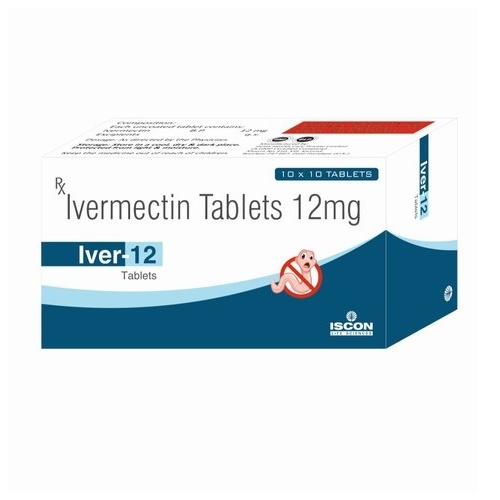
Stromectol is a prescription antiparasitic medication containing ivermectin, used in Australia to treat certain parasitic infections that can otherwise cause long-term health problems. If you are considering Stromectol, the single most important thing to know is that its effectiveness and safety depend on taking the right dose for your specific condition and following your doctor’s instructions—self-medicating or using it for unapproved purposes carries real risks.
Starting Stromectol: Why Now, and Why You
The moment you hear “Stromectol,” it’s rarely in a vacuum. Maybe your GP has just diagnosed strongyloidiasis after an unexplained rash or gut symptoms. Perhaps you’ve just returned from a trip in the tropics, or a public health nurse found something in a routine screening that “shouldn’t be ignored.” Whatever the path, the decision to start Stromectol is rarely casual—it means your doctor has found something that needs targeted action.
For most Australians, parasitic infections don’t loom large in daily life. Yet when they do strike, they’re often silent and persistent. Stromectol, with its active ingredient ivermectin, sits at a crossroads: it’s reserved for conditions where other options might not work as well or have more drawbacks. You’re here, reading about it, because the question isn’t “what if?” It’s “what next?”
Unlike antibiotics, antiparasitics aren’t one-size-fits-all. What works for one infection may do little for another. Stromectol’s place is specific and deliberate. The fact that it’s being considered for you signals a targeted clinical decision—one that should be paired with clear information, not just a script to fill.
Stromectol in the Australian Context: Access, Approval, and What Makes It Different
Australian patients often wonder: if Stromectol is available in other countries, why does it feel so tightly regulated here? The answer is partly history and partly medical culture. The Therapeutic Goods Administration (TGA) tightly controls antiparasitic medications, balancing the risk of misuse against the genuine need for targeted, effective treatment.
The reason for this restriction is twofold. First: ivermectin is potent, with a narrow clinical window where it works best and is safest. Second: misuse—especially outside its approved indications—risks side effects, resistance, and, occasionally, life-threatening complications. Australia’s approach is conservative, but for most patients, this ensures that treatment is both safe and effective.
- Regulation: Prescription-only, with TGA oversight. Off-label use is at the physician’s discretion, typically with specialist input.
- Availability: Distributed through standard pharmacies, but may need to be ordered in.
- Cost: Stromectol is not always covered by the Pharmaceutical Benefits Scheme (PBS), so out-of-pocket costs may apply. Prices can vary, but most Australian pharmacies maintain transparent pricing policies.
When your doctor prescribes Stromectol, it’s not a casual decision. They’ve weighed alternatives—often with a view to your travel history, health status, and the specifics of your infection.
How Stromectol Works in Real Life—And Where Ivermectin Stands Apart
Stromectol (ivermectin) is not just another pill in the antiparasitic arsenal. It disrupts the way certain parasites’ nervous systems function, rapidly immobilising and killing them—but not in the way that antibiotics target bacteria or antifungals clear up a rash. The mechanism is precise: ivermectin binds to specific channels in the parasite’s nerve and muscle cells, causing paralysis and death. Human cells lack these channels, which usually makes the drug safe when dosed correctly (Mayo Clinic).
Here’s where real life diverges from the package insert. The rapid effect on parasites can translate into surprisingly swift symptom relief for some people—while for others, especially those with heavy infections or certain immune conditions, the aftermath can be more complicated.
- Strongyloidiasis
- A chronic infection caused by the roundworm Strongyloides stercoralis, often acquired in tropical areas, which can cause abdominal symptoms, skin changes, and in severe cases, life-threatening disease.
- Onchocerciasis
- Also known as “river blindness,” an infection caused by the parasite Onchocerca volvulus, extremely rare in Australia but relevant for travellers and migrants.
Why ivermectin and not another antiparasitic? The answer is both scientific and practical. Ivermectin’s unique mode of action, broad antiparasitic spectrum, and relatively low incidence of severe side effects (when used appropriately) make it a strong first-line agent for a handful of stubborn or high-risk infections. Where albendazole or mebendazole may struggle—particularly with certain tissue-invading parasites—Stromectol is often the preferred option.
This does not mean it’s a magic bullet. The effectiveness of Stromectol depends on the match between drug, parasite, and patient. In some cases, combination therapy is required, and in rare cases, alternative treatments are chosen due to contraindications or suspected resistance.
Stromectol vs. Other Antiparasitics: What the Numbers and Experiences Show
| Attribute | Stromectol (Ivermectin) | Albendazole | Mebendazole |
|---|---|---|---|
| Approved Indications (Australia) | Strongyloidiasis, onchocerciasis, certain scabies and lice infestations* | Broad spectrum: many intestinal worms, some tissue parasites | Mainly intestinal worms (e.g., pinworm, whipworm) |
| Mechanism of Action | Paralyses parasites via glutamate-gated chloride channels | Inhibits microtubule formation, stops cell division | Similar to albendazole; impairs glucose uptake in parasites |
| Onset of Effect | Rapid—often within 1-2 days | Variable: may take several days | Variable: symptom relief usually slower |
| Evidence of Effectiveness | Strong for strongyloidiasis and onchocerciasis; limited for some off-label uses | Established for many worm infections | Good for common worms, less for tissue parasites |
| Common Adverse Effects | Headache, dizziness, mild gastrointestinal symptoms | Liver enzyme elevation, abdominal pain, nausea | Abdominal pain, diarrhoea, rash |
| Serious Adverse Effects | Rare neurological events, severe skin reactions (uncommon) | Rare liver injury, bone marrow suppression (very rare) | Rare allergy, neutropenia |
| Prescription Status | Prescription only, TGA regulated | Prescription only, widely available | Prescription only, widely available |
| Cost (typical range) | Often not subsidised; $30–$60 per course | Often subsidised; $10–$30 per course (PBS eligible) | Often subsidised; $10–$30 per course (PBS eligible) |
| Ease of Use | Usually single dose, sometimes repeated | Daily dosing for several days or weeks | Twice daily for 3 days, repeat if needed |
*Note: Scabies and lice indications for ivermectin are generally reserved for resistant or severe cases in Australia, and require specialist input.
What does this mean for the patient? Stromectol brings convenience—often a single dose, with quick action—but with that comes narrow targeting. Unlike albendazole or mebendazole, which are used for a wide range of gut worms, Stromectol’s power is best unleashed where precision matters most. Your doctor’s choice of Stromectol signals a clinical decision grounded in evidence and tailored to your infection, not a broad-spectrum sweep.
Taking Stromectol: The Details That Actually Matter (and the Ones That Don’t)
For most Australians, the idea of taking an antiparasitic is new territory. The process can feel foreign—do you need fasting? Does it interact with your regular medications? Will you need to keep away from others? Here’s where the clinical reality meets everyday life.
Stromectol is typically given as a single dose, calculated precisely by your weight. In some infections, a repeat dose will be needed after a set interval. The drug works best on an empty stomach—food can reduce absorption, making the treatment less effective.
Missed a dose? Don’t double up. Instead, contact your prescribing doctor or pharmacist for individual advice—timing can be crucial, especially for conditions like strongyloidiasis. If you vomit within an hour of taking the dose, let your doctor know; you may need to repeat the dose.
- Drug Interactions: Stromectol can interact with certain medications, especially those affecting the liver or nervous system. Always bring a list of your current medicines to your doctor or pharmacist.
- Monitoring: Follow-up blood tests or stool samples may be needed to ensure the infection is cleared. Your doctor will advise if this applies to your case.
- Alcohol: No direct interaction, but large amounts may increase your risk of side effects or affect your overall recovery.
What doesn’t matter as much as you might think? There’s no need for isolation (these infections are not generally spread person-to-person during treatment), and dietary changes are usually unnecessary unless advised by your doctor. The focus is on taking the right dose at the right time—and letting the medication do its work.
| Indication | Weight-based Dose | Timing | Repeat Dose Needed? |
|---|---|---|---|
| Strongyloidiasis | 200 micrograms/kg, single oral dose | Once, on empty stomach | Sometimes, at 2 weeks if infection persists |
| Onchocerciasis | 150 micrograms/kg, single oral dose | Once, on empty stomach | May repeat every 6-12 months as advised by specialist |
| Scabies (off-label, severe/resistant cases) | 200 micrograms/kg, single oral dose | Day 1, then repeat on Day 8 | Yes—usually two doses minimum |
Always confirm your dose and schedule with your doctor. The above table is a guide only, as individual factors (such as other health conditions, liver function, or age) may require adjustment.
Which Side Effects Matter Most with Stromectol—and When to Act
Most people tolerate Stromectol well. When side effects do happen, they’re usually mild and short-lived—think headache, dizziness, or a brief bout of nausea. But there’s a twist: sometimes, the body’s reaction is not to the drug itself, but to dying parasites. This “reaction” can feel worse than the infection ever did, especially in people with heavy parasite loads.
The distinction between expected side effects and warning signs is not always obvious. Your doctor or pharmacist is your best resource if you’re unsure. For most, the discomfort passes quickly and signals the medication is doing its job. For a few, prompt action is key.
| Side Effect | Frequency | When to Contact a Doctor |
|---|---|---|
| Headache | Common | If severe, persistent, or accompanied by vision changes |
| Dizziness | Common | If you feel faint, fall, or symptoms worsen over time |
| Nausea, diarrhoea | Occasional | If unable to keep fluids down or lasts more than 48 hours |
| Mild rash or itching | Occasional | If severe, spreading, or blistering develops |
| Severe allergic reactions (swelling, difficulty breathing) | Rare | Immediately—call emergency services |
| Neurological symptoms (confusion, seizures) | Very rare | Immediately—call emergency services |
| Fever, muscle pain (after treatment) | Occasional—may signal parasite die-off | If symptoms are severe or last more than 2–3 days |
Most side effects resolve quickly. If in doubt, err on the side of caution and seek medical advice. Your doctor may recommend supportive care, or in rare cases, further investigation. For those with pre-existing liver or neurological conditions, side effects deserve even closer attention.
When Not to Take Stromectol: Absolute and Relative Contraindications
Some situations require extra caution—these are “relative contraindications,” meaning your doctor may still prescribe Stromectol if the benefits outweigh the risks, but only after thoughtful consideration:
- Severe liver disease: Ivermectin is processed in the liver. Patients with significant hepatic impairment may need alternative treatments or dose adjustments.
- Neurological conditions: History of meningitis, epilepsy, or other central nervous system disorders may increase the risk of rare side effects.
- Co-infection with Loa loa (a rare worm found mainly in Central and West Africa): Rapid death of large numbers of parasites can trigger serious reactions. This is rarely relevant in Australia but matters for migrants and travellers.
- Breastfeeding: Data are limited; your doctor will balance the risk and benefit based on your specific situation.
If any of these situations apply, discuss them openly with your healthcare provider. Never start Stromectol without your doctor’s express direction and review of your medical history. For most Australians, the careful approach is what keeps treatment both safe and effective.
Stromectol Access in Australia: Prescription Pathways, Cost, and Pharmacy Reality
Accessing Stromectol is not the same as picking up a repeat prescription for blood pressure tablets. Here, the process is deliberate—by design. Your GP or infectious diseases specialist prescribes it for a narrow range of conditions, and most community pharmacies do not keep it in regular stock. Be prepared to wait a day or two for your local pharmacy to order it in, especially outside metropolitan centres.
- Confirm the Indication: Stromectol is prescribed only for specific parasitic infections. Your doctor will confirm the diagnosis via lab tests or clinical assessment.
- Get a Valid Prescription: Only a registered Australian doctor can prescribe Stromectol. Scripts from overseas or online providers are not accepted by pharmacies.
- Order Through Your Pharmacy: Present your script at any community pharmacy. The pharmacist may need to order it, particularly in rural or regional areas.
- Check Payment Details: Stromectol is not always PBS-subsidised, so you may need to pay the full cost. Most pharmacies will quote the price before ordering.
- Collect and Review Counselling: When you collect the medication, your pharmacist should review dosing, timing, and side effect monitoring with you.
Ordering Stromectol online without a prescription is illegal and unsafe. Australian law is strict, and genuine products are not available from legal online sources without a valid script. Any site offering Stromectol without a prescription is breaking the law and cannot guarantee product safety.
For those with financial hardship, some hospitals or public health clinics may be able to assist—ask your doctor about available options. For most, the process is straightforward but requires a little patience and planning.
Stromectol FAQ: Real Questions from Real Patients in Australia
- Do I really need Stromectol, or can my infection clear up on its own?
-
Most parasitic infections treated with Stromectol do not resolve spontaneously and can cause long-term or even life-threatening complications if left untreated. Your doctor prescribes Stromectol only when the infection is confirmed or highly suspected, and when the risk of doing nothing outweighs the risk of treatment.
- Why can’t I just use over-the-counter worm tablets instead?
-
Standard pharmacy worming tablets (like mebendazole) are effective for many common gut worms, but not for the specific infections Stromectol targets (such as strongyloidiasis). Using the wrong medication can leave the parasite untreated and allow complications to develop.
- Can I take Stromectol if I am pregnant or breastfeeding?
-
Stromectol is not recommended in pregnancy—especially the first trimester—unless the benefits significantly outweigh the risks. For breastfeeding, limited data is available; your doctor will assess whether it is safe in your situation. Always inform your doctor if you are pregnant or planning pregnancy.
- How long does it take to feel better after taking Stromectol?
-
Some people notice symptom relief within one to two days, while others may need repeat doses or further testing to confirm treatment success. For many parasitic infections, symptom improvement is not the only measure—follow-up labs are essential to confirm cure.
- I’m worried about side effects. What are the chances I’ll have a serious reaction?
-
Serious side effects from Stromectol are rare, especially when prescribed and supervised by a doctor. Most people experience no side effects or only mild, short-lived symptoms. If you have a history of allergies or neurological problems, discuss this with your doctor before starting treatment.
- Why is Stromectol sometimes recommended for scabies or lice when other treatments fail?
-
In Australia, Stromectol is reserved for severe, extensive, or treatment-resistant cases of scabies or lice. This usually follows failure of topical treatments and is guided by specialist advice. It is not a first-line agent for these conditions in the general population.
- If I miss my dose or vomit after taking Stromectol, what should I do?
-
Contact your prescribing doctor or pharmacist. In many cases, if you vomit within an hour of taking the medication, a repeat dose is needed. Do not double up or self-adjust; proper timing is important for effective treatment.
- What should I ask my doctor before starting Stromectol?
-
Discuss your diagnosis, whether any alternative treatments exist, your history of drug allergies, pregnancy or breastfeeding status, all current medications, and what monitoring will be required after treatment. It’s your right to understand each step before you begin.
Sources and References
- Therapeutic Goods Administration (TGA), Australian Government
- Australian Medicines Handbook, Antiparasitic drugs section, 2023
- Ivermectin (Oral Route) – Mayo Clinic
- CDC: Strongyloides – Resources for Health Professionals
- NPS MedicineWise: Stromectol (ivermectin) Tablets
- Product Information: Stromectol (Ivermectin) Tablets, MSD Australia, 2023
- World Health Organization (WHO)
- Therapeutic Guidelines: Antibiotic, Antiparasitic Section, Australia, 2023 Edition