
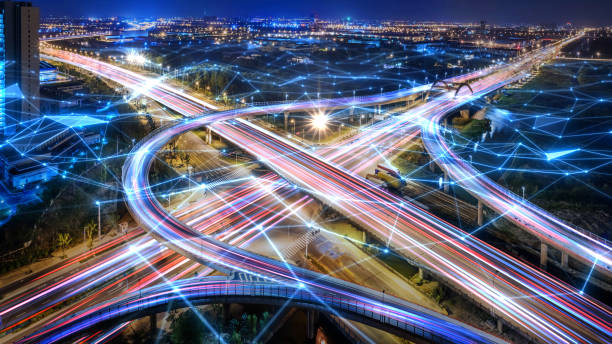
Urban transportation is entering a transformative era, driven by technology, sustainability, and evolving societal needs. As cities grow and populations concentrate, traditional transport systems, cars, buses, and trains, face challenges of congestion, pollution, and inefficiency. The future of urban mobility lies in smart cities, where integrated technology, innovative infrastructure, and data-driven solutions work together to create safer, cleaner, and more efficient transportation networks.
At the heart of smart urban transportation is connectivity. Cities are beginning to implement systems that integrate multiple modes of travel—public transit, bicycles, scooters, ride-sharing, and autonomous vehicles—into a cohesive network. Digital platforms provide real-time information on schedules, traffic conditions, and vehicle availability, allowing commuters to plan routes that minimize delays and reduce congestion. This integration promotes efficiency and convenience, encouraging residents to rely on shared mobility options rather than personal vehicles, which reduces environmental impact.
Autonomous and electric vehicles are key drivers in this transformation. Self-driving cars and buses promise to reduce accidents caused by human error while optimizing traffic flow through coordinated movement. Electric vehicles (EVs) reduce carbon emissions and noise pollution, contributing to healthier urban environments. Some cities are already investing in fleets of autonomous shuttles and EV public buses, demonstrating how technology can redefine the standard commuting experience. As charging infrastructure and battery technology improve, EV adoption is expected to accelerate, further supporting sustainable urban mobility.
Data and analytics are foundational to smart city transportation. Sensors embedded in roads, vehicles, and transit systems collect information on traffic patterns, commuter behavior, and environmental conditions. This data informs urban planning, allowing authorities to predict congestion, adjust traffic signals, and optimize public transit routes. Predictive analytics also enhance safety, enabling early detection of potential accidents or hazards. Over time, the use of big data transforms urban mobility from reactive management to proactive, intelligent decision-making.
Sustainability is a central goal in modern urban transport planning. Cities face growing pressure to reduce greenhouse gas emissions and improve air quality. Shared mobility programs, cycling infrastructure, pedestrian-friendly streets, and efficient public transit are designed to reduce dependence on private cars. Urban planners are increasingly integrating green corridors and “last-mile” solutions, such as e-scooters or micro-transit options, to make sustainable transportation accessible, convenient, and attractive. These strategies not only lower emissions but also improve quality of life by creating safer, more walkable urban spaces.
Mobility as a service (MaaS) is another emerging concept reshaping urban transportation. MaaS platforms combine multiple transport options into a single service, allowing users to plan, book, and pay for entire journeys seamlessly through a smartphone app. This approach prioritizes convenience and flexibility, reducing the need for private car ownership and encouraging the use of public and shared mobility options. Cities adopting MaaS solutions often see increased efficiency, reduced traffic congestion, and more equitable access to transportation.
Infrastructure development is adapting to support these innovations. Smart traffic lights, dedicated bike lanes, electric charging stations, and autonomous vehicle lanes are being implemented in progressive urban areas. Urban design now emphasizes multimodal hubs, where commuters can transfer easily between buses, trains, bikes, and ride-sharing services. Such planning ensures that mobility systems are not only technologically advanced but also human-centered, addressing real-world commuting challenges.
Equity and accessibility are integral to the vision of smart urban transportation. Future systems aim to serve all residents, including those with limited mobility, older adults, and economically disadvantaged populations. Accessible vehicles, inclusive transit routes, and affordable fare structures ensure that the benefits of technological innovation are shared widely. By prioritizing inclusivity, cities can create transportation networks that are not only efficient but socially responsible.
The future of urban transportation also considers the role of policy and regulation. Governments play a crucial role in supporting innovation while ensuring safety, data privacy, and environmental protection. Incentives for electric vehicle adoption, investment in public transit, and regulation of shared mobility services guide the evolution of cities toward smarter, cleaner, and more efficient mobility ecosystems.
In conclusion, the future of urban transportation is characterized by integration, sustainability, and intelligence. Smart cities leverage technology, data, and innovative infrastructure to create mobility systems that are safer, cleaner, and more efficient. Autonomous and electric vehicles, mobility as a service, and multimodal networks redefine commuting, reduce congestion, and promote environmental responsibility. As cities continue to invest in technology, infrastructure, and equitable access, urban mobility becomes not only a matter of moving people from point A to point B but also a vital component of sustainable, livable, and forward-thinking communities.