
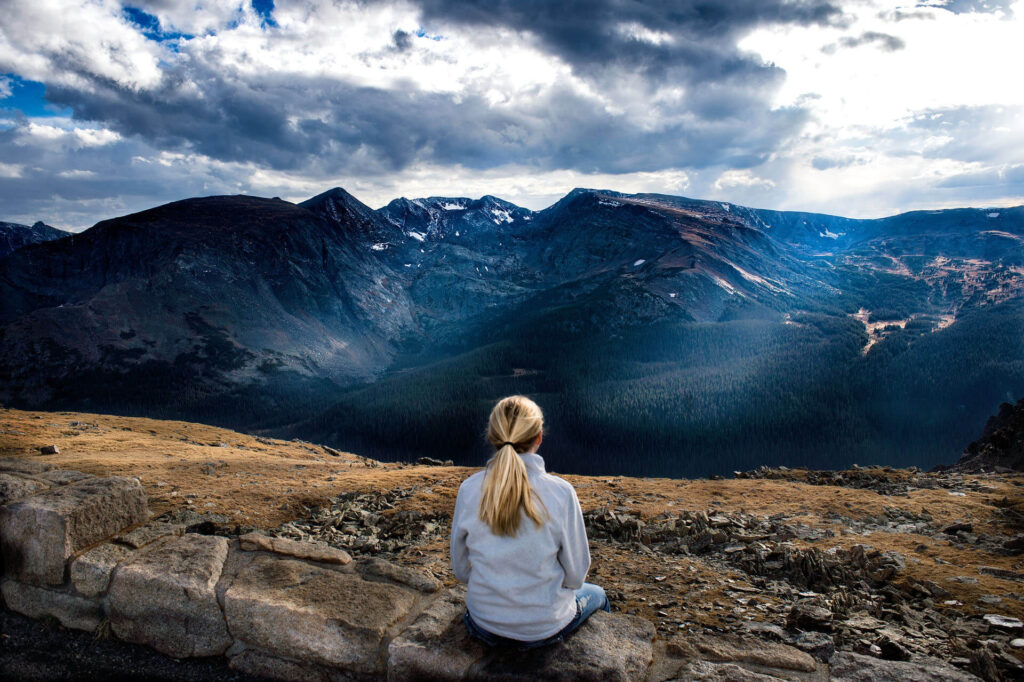
Luxury travel has begun to distance itself from sparkle and spectacle, leaning instead toward the quieter attributes of space, service, and stillness. These three elements may sound understated compared to the familiar symbols of privilege, yet they now define what it means to travel well. In a world that moves quickly, crowding both minutes and mind, luxury has become the ability to slow the pace, to inhabit surroundings with ease, and to feel privacy without isolation.
First, there is space. Not only the physical dimension of a suite or estate, but the mental room created by thoughtful design. Open terraces that face water, shaded verandas overlooking gardens, and villas positioned to allow uninterrupted views all communicate luxury without saying a word. Travelers increasingly value quiet corners, private pools, and rooms that breathe rather than overwhelm with ornament. Wide interiors with natural light replace heavy decoration, and outdoor settings matter as much as indoor ones. Space in this sense is dignity—distance from rush, cushion from noise, and freedom to rest without interruption.
Service forms the second element of this new understanding. Where luxury once emphasized formality, it now embraces discretion and awareness. The highest standard of hospitality is measured not by visible performance but by its opposite: the ability to anticipate need without crowding the guest. A well-timed greeting, a simple arrangement of tea after a long flight, or a staff member who remembers personal preferences from earlier visits shapes an experience more genuinely than any grand gesture. Travelers no longer seek service that demands attention; they seek service that respects rhythm. The true luxury is to feel seen without being observed.
Stillness completes this trio. Once, luxury travelers looked for the busiest island beaches, the top floors of glittering towers, and venues filled with curated glamour. Now the desire is often for soundlessness—tree-lined paths, desert horizons, tide pools at dawn, and mountain air unbroken by engines. Stillness is not absence; it is presence without strain. It allows the traveler to rest without agenda and return home with clear thought instead of excess impression. In older models of luxury, days could feel saturated. In this reimagined form, days feel balanced and breathable.
This shift has changed the nature of destinations themselves. Remote lodges, slow-moving river retreats, countryside vineyards, and remote ocean sanctuaries have become spaces where travelers find luxury beyond display. These places rely less on grandeur and more on proportion: rooms that feel personally scaled, landscapes that remain intact rather than reshaped, and experiences that move at a human tempo. Going away is no longer about being dazzled; it is about arriving somewhere that allows comfort, reflection, and a sense of climate rather than constant stimulation.
Culinary experience has also adapted. Prestige is no longer held solely by towering hotels with dramatic dining halls. It is shared by garden harvest meals, coastal kitchens preparing morning catch, and open-air tables lit by quiet sky. The ingredients matter as much as the arrangement, and origin is valued more than excess. When a dish reflects its place—grown close, harvested attentively, prepared with calm expertise—it becomes part of the landscape rather than a performance detached from it.
Service, in this evolved form, involves sincerity rather than ceremony. Staff are trained not simply to serve but to guide gently. They understand that travelers may want silence more than conversation, autonomy more than itinerary. A guest who spends time reading by the sea or wandering through vineyards without schedule is no less important than one who fills days with activities. Luxury is the freedom to choose pace without explanation.
Wellness now aligns with stillness rather than indulgence. Nature trails, ocean-facing yoga decks, mineral pools, and forest quiet zones have replaced the idea that luxury wellness must be grand. Instead, it must be grounded. Travelers look for sleep that is supported by calm rather than forced by exhaustion; they seek mornings defined by sunlight and horizon rather than urgent appointment.
The reimagining of luxury travel does not discard elegance—it refines it. Instead of sparkling chandeliers, it offers soft light filtered through linen blinds. Instead of crowded lobby orchestras, it offers birds at dawn and wind across water. Instead of strict formal evenings, it allows unstructured time filled with gentle choices: a walk at twilight, a book by the fire, a meal timed by appetite rather than expectation.
Luxury travel has not diminished; it has deepened. Space, service, and stillness are not replacements for beauty but corrections to excess. They allow beauty to be encountered rather than chased, absorbed rather than displayed. Today’s traveler wants to return home rested not only in body, but in spirit—renewed rather than merely entertained.
When luxury silences noise, softens edges, and gives room for thought, it becomes something more than a category of travel. It becomes a form of calm living, carried long after the journey ends.